
Artificial Intelligence (AI) is changing the way businesses do digital marketing. Today, many companies use AI tools to create content, understand customers, run advertisements, and improve their marketing strategies. AI helps digital marketers save time, reduce manual work, and make better decisions. It has become an important part of modern digital marketing.
1. AI in Content Creation
Creating content is an important part of digital marketing. AI tools help marketers write blogs, social media captions, advertisements, email messages, and website content.
For example, a digital marketing agency can use AI to generate Instagram post ideas or write a blog for its website. This saves time and helps marketers create content faster.
However, AI-generated content should always be checked and edited to make sure it is accurate, useful, and interesting for readers.
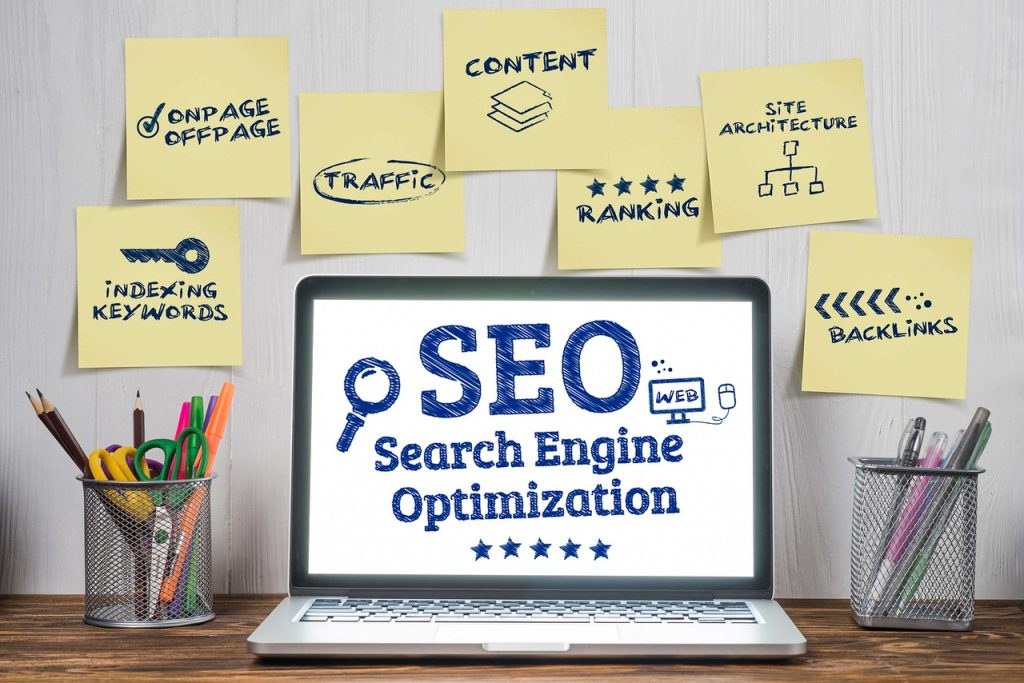
2. AI in Search Engine Optimization (SEO)
SEO helps websites appear higher on search engines like Google. AI makes SEO easier by helping marketers find keywords, understand search trends, analyze competitors, and improve website content.
AI tools can suggest relevant keywords that people may search for online. They can also help identify content gaps and organize website information.
For example, a business selling shoes can use AI to discover relevant search terms and create useful content around those topics.
However, good SEO still requires original content, a good user experience, and a proper understanding of customer needs.
3. AI in Social Media Marketing
Social media platforms such as Instagram, Facebook, and LinkedIn are important for businesses. AI helps marketers plan posts, generate captions, analyze performance, and understand audience interests.
AI-powered tools can also suggest suitable posting times and identify which types of content perform well.
For example, a digital marketing agency can use AI to prepare a weekly content calendar and generate ideas for reels, carousels, and promotional posts.
This helps businesses maintain a consistent social media presence and manage their accounts more efficiently.
4. AI in Digital Advertising
AI plays an important role in Google Ads and Meta Ads. Advertising platforms use AI and machine learning to help advertisers reach relevant audiences, optimize bidding, and improve campaign performance.
AI can analyze advertising data and help marketers understand which ads generate clicks, leads, or sales.
For example, an online clothing store can use automated advertising tools to reach people who are more likely to be interested in its products.
However, marketers must still choose suitable campaign objectives, set budgets, create good advertisements, and monitor results regularly.
5. AI in Email Marketing
Email marketing is a useful way to communicate with customers. AI helps businesses personalize emails, suggest subject lines, organize customer groups, and identify suitable times to send messages.
For example, an online store can send product recommendations based on a customer’s previous purchases or interests.
Personalized emails can make communication more relevant and useful. However, businesses should respect customer privacy and avoid sending unnecessary emails.
6. AI in Customer Service
AI-powered chatbots help businesses answer common customer questions at any time of the day. They can provide information about products, prices, delivery, services, and bookings.
For example, a digital marketing agency can use a chatbot on its website to answer basic questions about its services and collect customer inquiries.
This can improve response times and reduce repetitive work. However, complicated problems may still require assistance from a real person.
7. Benefits of AI in Digital Marketing
AI offers several benefits to digital marketers:
- Saves time: Automates repetitive marketing tasks.
- Reduces manual work: Helps with content creation, reporting, and data analysis.
- Improves personalization: Makes marketing messages more relevant to customers.
- Supports decision-making: Helps marketers understand campaign data and customer behaviour.
- Improves efficiency: Allows marketing teams to focus more on planning and creativity.
These benefits can help small businesses and large companies manage their marketing activities more effectively.
8. Challenges of Using AI
Although AI has many advantages, it also has some challenges. AI tools can sometimes provide incorrect information, generate similar-looking content, or fail to understand the emotions and needs of customers.
Overdependence on AI may also reduce originality and creativity. Businesses must consider data privacy, copyright, and the responsible use of customer information.
Therefore, digital marketers should use AI as a supporting tool rather than depending on it completely. Human knowledge, creativity, and experience remain important.
Conclusion
AI is transforming digital marketing by making content creation, SEO, social media marketing, advertising, email marketing, and customer service more efficient. It helps businesses save time, understand customers, and make informed marketing decisions.
However, AI cannot replace every skill of a digital marketer. Creativity, communication, strategic thinking, and human understanding are still essential.
The best approach is to combine AI tools with human skills. Digital marketers who learn how to use AI effectively can improve their work and adapt to the changing digital marketing industry.